Strip & seal floors: what it is and when you actually need it
If your floors always look dull, sticky, or permanently dirty — the problem is often the finish, not the cleaning.
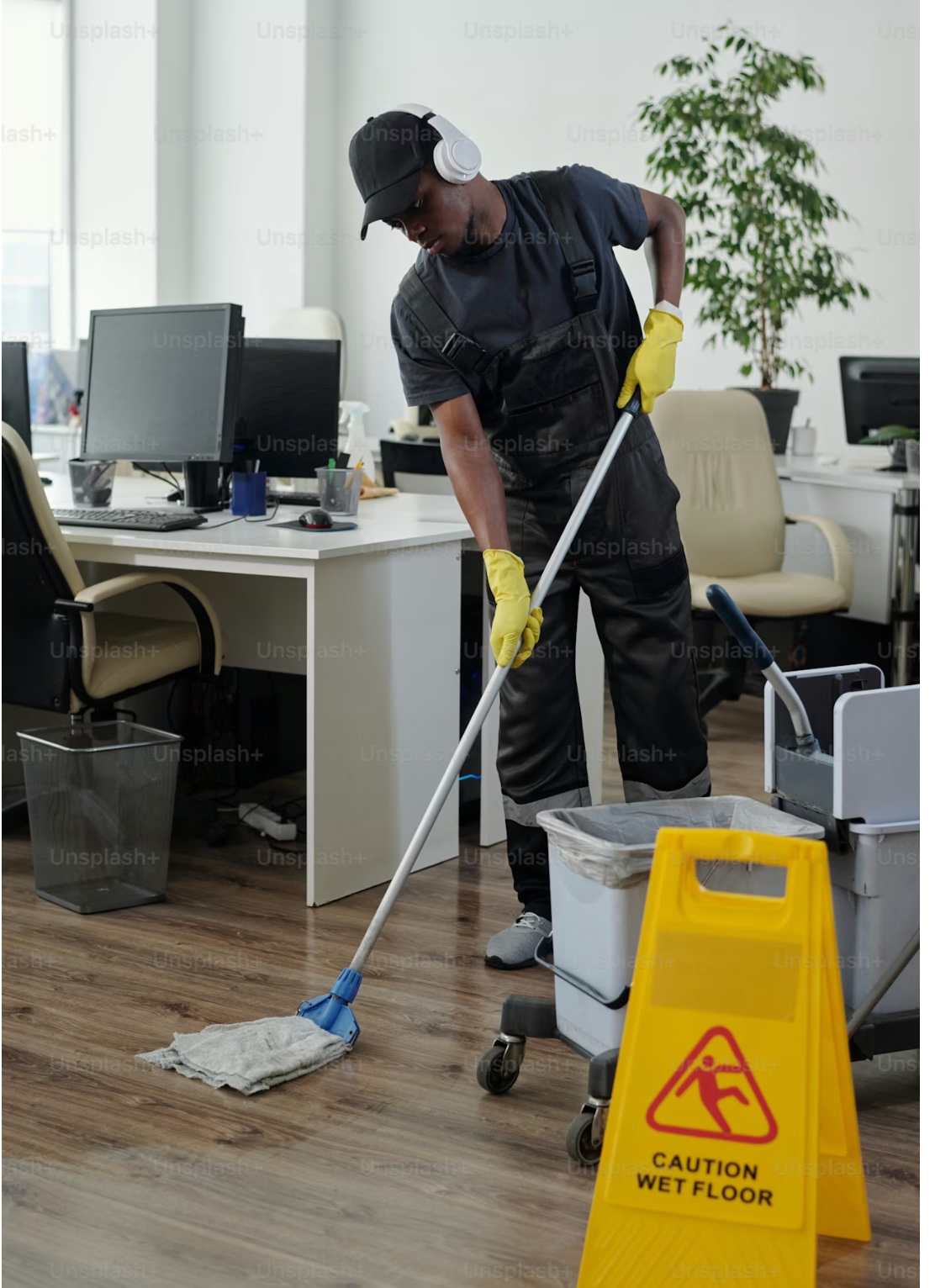
Strip and seal is one of the most misunderstood cleaning services. Many sites keep increasing regular cleaning frequency without realising the issue isn’t dirt — it’s a worn protective floor finish.
What “strip & seal” actually means
Over time, vinyl and similar floors build up layers of old polish and finish. These layers trap dirt, turn yellow, and lose their shine. Strip and seal removes this old finish completely and applies fresh protective coats.
- Strip: old sealant and polish is chemically removed
- Neutralise: floor is rinsed and balanced
- Seal: multiple new coats applied for protection and shine
Signs your floor needs strip & seal
- Dull or patchy appearance that doesn’t improve after cleaning
- Sticky or tacky feel underfoot
- Dark traffic lanes that won’t lift
- Uneven shine or peeling polish
- Constant complaints that floors “never look clean”
Where strip & seal is most common
- Schools and education facilities
- Government and DHA-style sites
- Medical centres and clinics
- Community centres and halls
- High-traffic commercial corridors
How often should it be done?
Most sites require strip and seal every 12–24 months, depending on traffic and maintenance. Increasing regular cleaning does not replace strip and seal once the finish has failed.
Strip & seal vs routine cleaning
Routine cleaning removes surface dirt. Strip and seal restores the floor’s protective layer. If cleaning costs keep increasing but results don’t improve, it’s usually time for strip and seal.